In this article
- What changes when Democrats take control in January 2027?
- Three priorities in the proposed US AI regulation 2027 agenda
- Protecting households from data-center electricity costs
- Requiring independent AI safety testing
- Clarifying when AI companies are liable
- Why it matters for US readers and major AI companies
- A proposed independent AI agency remains only an idea
- Trump’s opposition creates a major legislative obstacle
- What the next phase could mean for AI policy
US AI regulation 2027 is taking shape as Democrats prepare a broad package of proposed bills before assuming control of Congress in January 2027. The agenda would address electricity costs tied to data-center growth, independent testing of advanced AI models, legal responsibility for AI-related harm and congressional scrutiny of major technology companies.
The plans were reported as Democrats prepare for the new Congress in January 2027. A report on the plans describes a surge of AI regulation bills, and the US AI regulation 2027 debate is likely to center on testing, liability, and electricity costs.
Key Takeaways
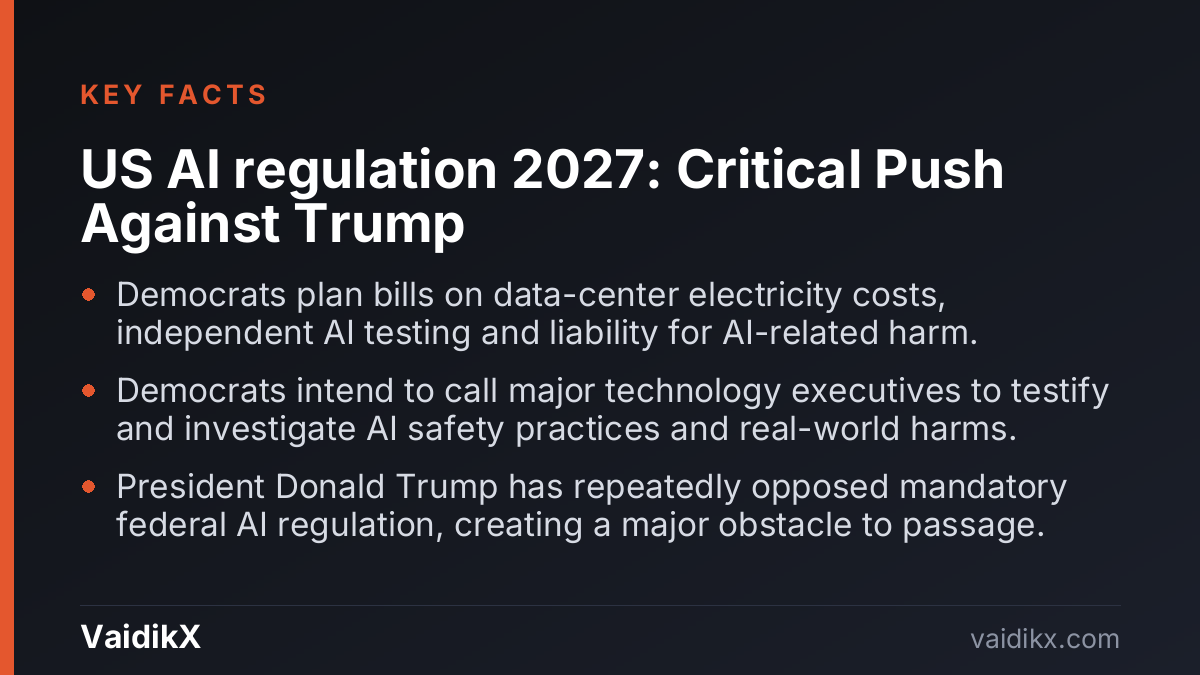
- Democrats plan bills on data-center electricity costs, independent AI testing and liability for AI-related harm.
- Democrats intend to call major technology executives to testify and investigate AI safety practices and real-world harms.
- President Donald Trump has repeatedly opposed mandatory federal AI regulation, creating a major obstacle to passage.
For readers following US AI regulation 2027, the key questions are which bills reach a vote, and how the House and Senate handle AI testing and liability. Any change to US AI regulation 2027 will depend on those votes, not on proposals alone.
This POLICY NEWS ARTICLE covers the Topic, “US Democrats Plan Wave, AI Regulations After Taking Control.” Its Primary Source is Operator notes, and no Additional Sources were provided.
The proposals are not laws yet, and Democratic control of Congress would not guarantee passage. President Donald Trump has repeatedly rejected calls for mandatory federal AI rules, so the next phase of US AI regulation 2027 could become a negotiation between a Democratic-led Congress and a president opposed to much of the regulatory approach.
What changes when Democrats take control in January 2027?
Democrats’ expected control of both chambers would give the party authority over congressional committees and the legislative agenda. That position would help Democratic lawmakers introduce and advance the Democrats AI bills described in the plans, while also giving them more scope to investigate how leading AI companies build and deploy their systems under US AI regulation 2027.
The shift follows the 2026 midterm results, in which Democrats won control of Congress, according to the related US midterm election results report. Committee authority lets lawmakers request information, summon company executives and organize hearings, even when a bill may struggle to clear both chambers.
That authority has limits. A majority can direct debate and conduct oversight, but it cannot alone create a nationwide AI framework. Legislation passed by Congress would still need the president’s approval unless lawmakers could override a veto.
Three priorities in the proposed US AI regulation 2027 agenda
Protecting households from data-center electricity costs
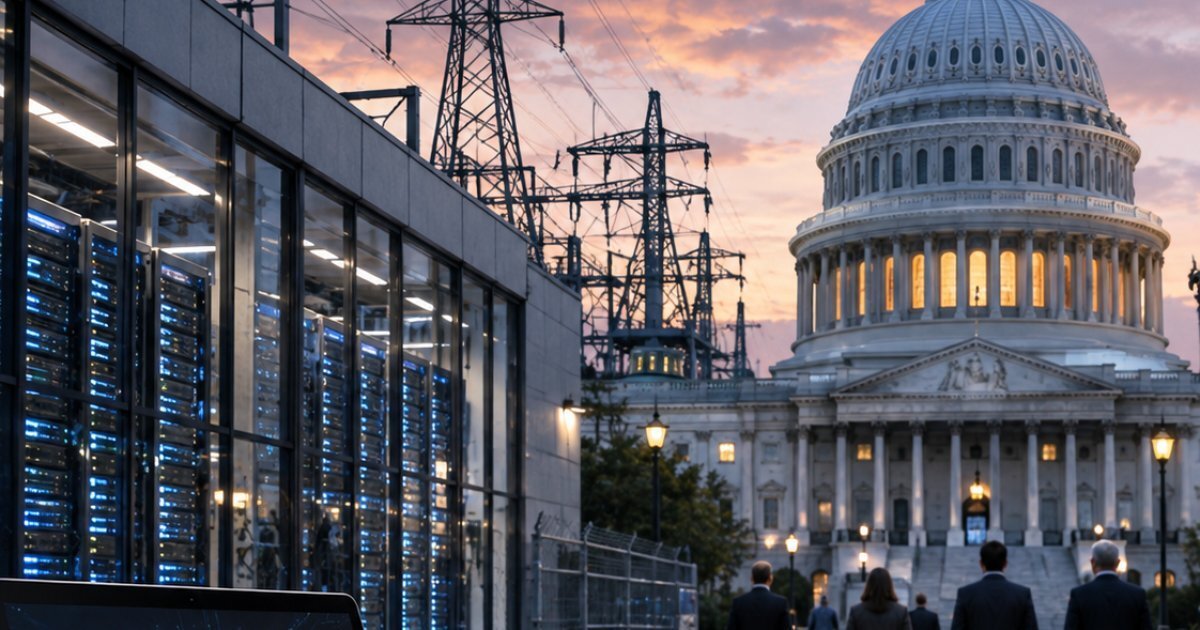
Senate Democratic leader Chuck Schumer has identified consumer electricity costs associated with data-center expansion as a priority. AI data centers draw large amounts of power, raising questions about how new infrastructure expenses should be divided among technology companies, communities and households.
The concern behind this part of US AI regulation 2027 is whether consumers could end up paying more for electricity as AI-related demand grows. The source does not explain what policy Democrats would use, so future legislation would have to establish which projects are covered and how responsibility is allocated.
Requiring independent AI safety testing
Representative Lori Trahan plans to push legislation requiring independent experts to assess leading AI models against safety standards. The proposal would place at least part of the evaluation process outside the companies that develop the models, although the source does not identify the standards, testing organization or enforcement method.
Possible evaluations could look at model behavior, responses to safety risks and harmful outputs. Those details remain examples of what the proposal might address, not announced federal requirements. AI safety testing is still a policy proposal within US AI regulation 2027 rather than an established rule.
Clarifying when AI companies are liable
Democrats are also considering legislation to clarify when companies can be held responsible for damage linked to AI systems. The central issue is whether existing legal rules provide a clear way to assign responsibility when an AI product contributes to harm.
Clearer AI company liability rules could influence how products are designed, documented and released. They could also affect whether people harmed by an AI system have a direct path to seek accountability. The source does not provide a liability test or identify the specific harms that planned bills would cover under US AI regulation 2027.
Newsletter
Get the VaidikX AI Brief
The week's biggest AI, Big Tech and startup news, explained in 5 minutes. Free, every week.
Why it matters for US readers and major AI companies
The proposals could affect several parts of the US technology economy, but they would not immediately restrict every AI company. Data-center operators could face closer questions about their effect on power demand, while model developers might be subject to outside evaluations or new expectations concerning harmful outputs.
Democrats intend to increase scrutiny of OpenAI, Anthropic, Google, Meta and SpaceX. Representative Greg Casar has called for AI executives to testify under oath, which would put company leaders on the record while lawmakers examine safety practices and possible real-world harms.
That proposed OpenAI congressional oversight would form part of a wider examination of the industry rather than a single-company inquiry. The same committee powers could be used to question other major developers and technology companies about their systems, business practices and responses to reported harms.
The infrastructure debate also reaches companies connected to AI chip manufacturing, including suppliers covered in this report on AI chip demand. The Democratic proposals described here focus on electricity costs and oversight, not directly on that supply chain.
A proposed independent AI agency remains only an idea
Michigan Democrat Abdul El-Sayed has advocated creating an independent agency with authority to oversee AI companies. Such an agency could provide a more permanent form of US artificial intelligence regulation than oversight through existing congressional committees, but the plans described by the source have not created one.
Establishing an agency would require legislation and presidential approval, putting the idea in the same political conflict as the other Democrats AI bills. Its powers, funding, relationship with existing agencies and authority over companies remain unsettled because the source presents it as a policy position rather than a finalized proposal.
Trump’s opposition creates a major legislative obstacle
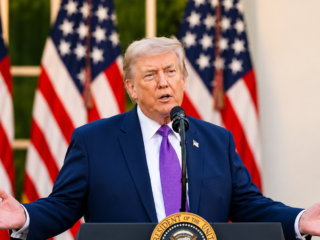
President Trump has repeatedly dismissed calls for mandatory federal AI regulations. That stance could make it difficult for Democrats to turn their priorities into enacted US AI regulation 2027, even if bills pass through both chambers.
Congress can override a presidential veto with a two-thirds majority in both the House and Senate. A veto override would be difficult, though it could become more conceivable after a major AI crisis. Committee control and legislative activity therefore remain different from the creation of a federal AI law.
The near-term result may be more scrutiny rather than immediate rules. Hearings, executive testimony and independent evaluations could require companies to explain their safety practices before any final requirements exist. The outcome will depend on each bill’s details, congressional support and the White House’s position.
What the next phase could mean for AI policy
The proposed agenda brings consumer costs, model safety and corporate accountability into one political debate. US AI regulation 2027 therefore concerns more than how models operate; it also raises questions about who pays for the infrastructure behind them and who answers when systems cause harm.
For now, the confirmed development is a planned legislative and oversight push, not a completed regulatory regime. The January 2027 transition would give Democrats more tools to pursue their proposals, while the president’s opposition and the high threshold for overriding a veto leave the final outcome uncertain.
Get the VaidikX AI Brief, free
More from VaidikX